

Published by BytesAgain · May 2026
Crossborder Ecommerce Localization: Which AI Agent Handles What?
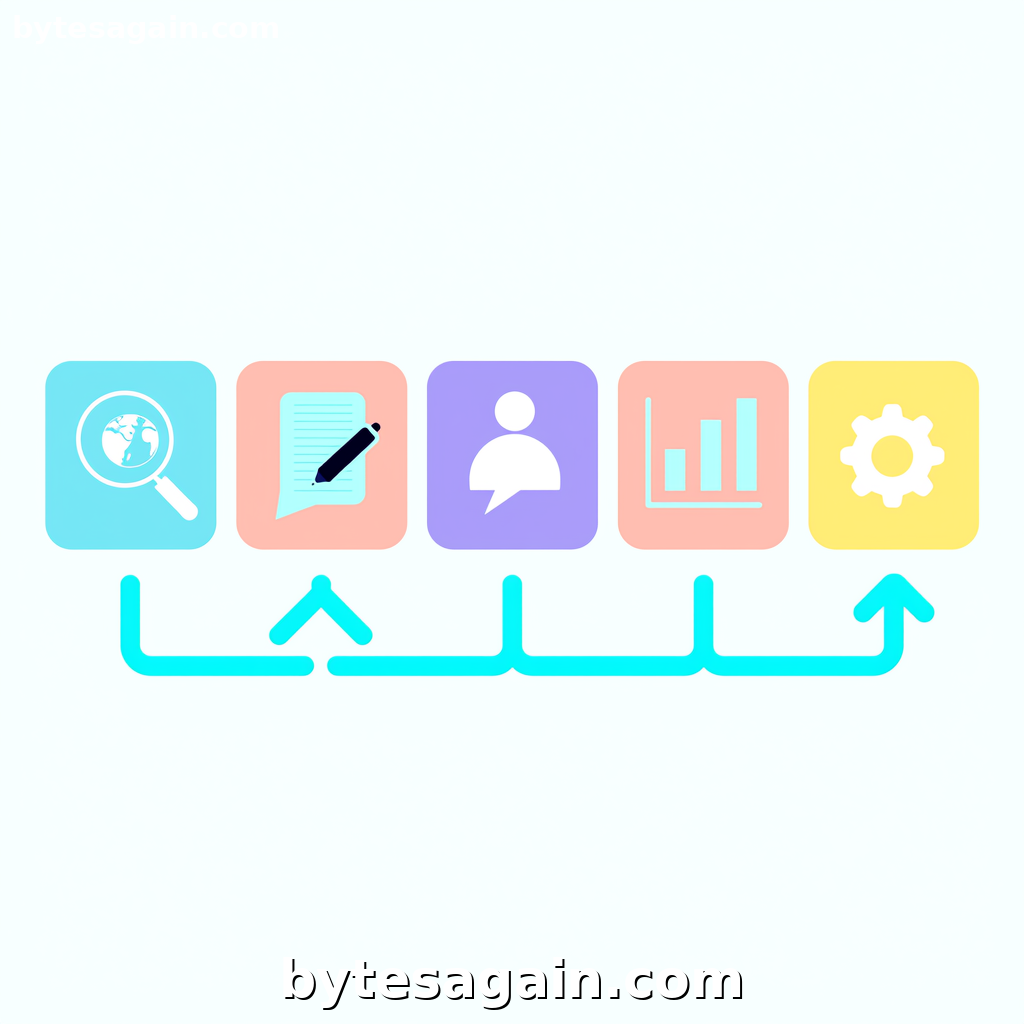
Expanding an ecommerce business across borders is rarely about simply translating a product page. The real challenge involves selecting items that will resonate in a new market, adapting copy to local buying psychology, and ensuring pricing remains profitable. The Explore the Crossborder use case on BytesAgain.com assembles five distinct AI skills that work together to automate this process. Each skill functions as a specialized agent, and understanding their differences is critical for any merchant looking to scale internationally without tripling their workload.
This article breaks down five skills from the stack: the Bytesagain Crossborder Product Localizer, the Ecommerce Copy Humanizer Zh, the Cross-Border-Ecommerce-Product-Picker, Ned - Shopify Profit Analytics AI, and the general-purpose Text skill. We will compare their strengths, identify the best scenarios for each, and show you how to combine them for real-world results.
The Five Skills at a Glance
Bytesagain Crossborder Product Localizer (bytesagain-crossborder-product-localizer) is a dedicated localization engine. It takes product listings from platforms like Amazon, Shopify, Taobao, and Pinduoduo and adapts them between English and Chinese. Its strength lies in handling channel-specific formatting and terminology, making it ideal for merchants who need to maintain a consistent brand voice across multiple ecommerce ecosystems.
Ecommerce Copy Humanizer Zh (ecommerce-copy-humanizer-zh) focuses on the final polish. While the Localizer handles structural translation, this skill rewrites Chinese copy so it sounds natural to native speakers—without stripping away the persuasive elements that drive conversions. It is the tool to use when your product descriptions feel robotic or overly literal.
Cross-Border-Ecommerce-Product-Picker (ecommerce-product-picker) is a research and selection AI. It pulls real-time trends from platforms like Xiaohongshu and TikTok, estimates sales volumes using BSR conversions, and calculates profit margins. This skill answers the question: "Which products should I even bother localizing?"
Ned - Shopify Profit Analytics AI (ned-analytics) is a data query agent for existing Shopify stores. It retrieves sales, customer, and marketing data through an API. Use Ned to verify that your crossborder pricing and ad spend are actually generating profit, not just volume.
Text (text) is a general utility skill for transforming, formatting, and cleaning text. While not specific to ecommerce, it supports localization tasks like reformatting citations, standardizing units of measurement, or batch-processing product descriptions before feeding them into other skills.
Side-by-Side Comparison
When deciding which skill to use, consider the stage of your crossborder workflow.
For product selection, the Cross-Border-Ecommerce-Product-Picker is unmatched. It combines trend data, competitor analysis, and profit calculations in one query. The other skills assume you have already chosen a product. If you are entering a new market and do not know what to sell, start here.
For translation and adaptation, the Bytesagain Crossborder Product Localizer handles the heavy lifting. It understands that a product listing on Taobao requires different formatting than one on Amazon. The Ecommerce Copy Humanizer Zh then refines that output for natural Chinese phrasing. Use both in sequence: Localizer first, then Humanizer.
For copy that converts, the Humanizer skill is the final gatekeeper. The Localizer might produce grammatically correct Chinese, but the Humanizer adjusts tone, rhythm, and cultural references. If your target audience is Chinese-speaking consumers, do not skip this step.
For financial validation, Ned - Shopify Profit Analytics AI is essential if you run a Shopify store. None of the other skills analyze profitability. Ned answers specific questions like "What is my ROAS on crossborder ad campaigns?" or "Which product category has the highest margin after localization costs?"
For ad-hoc text processing, the Text skill is a fallback. Use it when you need to clean up CSV exports, standardize currency formats, or apply custom regex patterns to batch listings. It is not a replacement for the specialized skills, but it fills gaps in the workflow.
Real-World Scenario: Launching on Taobao
Imagine you run a US-based Shopify store selling kitchen gadgets. You want to test the Chinese market via Taobao.
Step 1: Product Selection. You query the Cross-Border-Ecommerce-Product-Picker with your category. It returns trending items on Xiaohongshu, estimates sales volumes, and highlights a silicone baking mat with strong demand and healthy margins. Without this skill, you might waste time localizing products that have no market fit.
Step 2: Localization. You take the winning product and run its US listing through the Bytesagain Crossborder Product Localizer. The skill adapts the copy for Taobao's format, converting measurements to metric and adjusting sizing terminology. The output is structurally correct but reads like a translation.
Step 3: Humanization. You feed the Localizer's output into the Ecommerce Copy Humanizer Zh. It rewrites phrases like "non-stick surface technology" into natural Chinese that emphasizes ease of cleaning and durability—two priorities for Chinese shoppers. The final copy feels native.
Step 4: Profit Check. Before launching, you ask Ned - Shopify Profit Analytics AI: "What is my current margin on silicone baking mats, and what happens if I add 15% for Taobao fees?" Ned returns a clear breakdown showing the product remains profitable. You proceed with confidence.
Step 5: Cleanup. You use the Text skill to batch-remove outdated US pricing from the original product descriptions before archiving them.
Actionable advice: Do not treat these skills as interchangeable. Use the Product Picker to decide what to sell, the Localizer and Humanizer to adapt how you sell it, and Ned to confirm if it is worth selling. Skipping any one step introduces risk.
Which Skill for Which User Type
For solo merchants with limited time, the highest-impact combination is the Cross-Border-Ecommerce-Product-Picker plus the Ecommerce Copy Humanizer Zh. These two skills cover market research and final copy quality, which are the hardest to get right manually. You can skip the Localizer if you are comfortable with basic translation tools, but the Humanizer is non-negotiable for Chinese audiences.
For Shopify store owners already selling domestically, add Ned - Shopify Profit Analytics AI to your stack immediately. The other skills help you enter new markets, but Ned protects your margins. Without it, you risk growing unprofitably.
For ecommerce agencies managing multiple client accounts, invest in all five skills. The Bytesagain Crossborder Product Localizer ensures consistency across platforms, the Product Picker supports data-driven product recommendations, and the Text skill handles bulk formatting tasks. The combination lets you offer crossborder services without hiring a full localization team.
For content teams focused on Chinese-language copy, the Ecommerce Copy Humanizer Zh is your primary tool. Use it as a final review layer after any machine translation. It catches awkward phrasing that could harm conversion rates.
Final Recommendation
The crossborder ecommerce localization stack on BytesAgain.com is not a single tool but a coordinated set of AI agents. Each skill solves a distinct problem: product selection, structural localization, copy refinement, financial validation, and general text processing.
Start with the Cross-Border-Ecommerce-Product-Picker to identify opportunities. Then run the Bytesagain Crossborder Product Localizer for structural adaptation. Polish with the Ecommerce Copy Humanizer Zh. Verify profitability with Ned - Shopify Profit Analytics AI. Use the Text skill for any cleanup.
This workflow reduces manual effort, accelerates market entry, and—most importantly—keeps your international expansion profitable. Whether you are a solo seller or an agency, these skills let you automate the parts of crossborder ecommerce that used to require weeks of manual work.
Find more AI agent skills at BytesAgain.