

GDPR Compliance Agent: Which AI Skill Actually Protects Your Data?
When your organization faces a regulatory audit or a data subject access request, the last thing you want is a frantic scramble through spreadsheets and policy documents. A GDPR Compliance Assistant AI agent can automate this burden—tracking requirements, generating policies, and documenting data flows. But the skill you choose to power that agent determines whether it becomes a reliable compliance partner or just another tool.
BytesAgain hosts four distinct skills for this use case, each with a different approach to GDPR. This article breaks down Compliance, Gdpr, Gdpr Checker, and Homeassistant Toolkit—comparing their strengths, limits, and ideal use cases. By the end, you’ll know exactly which skill to deploy for your specific compliance workflow.
The Four Skills at a Glance
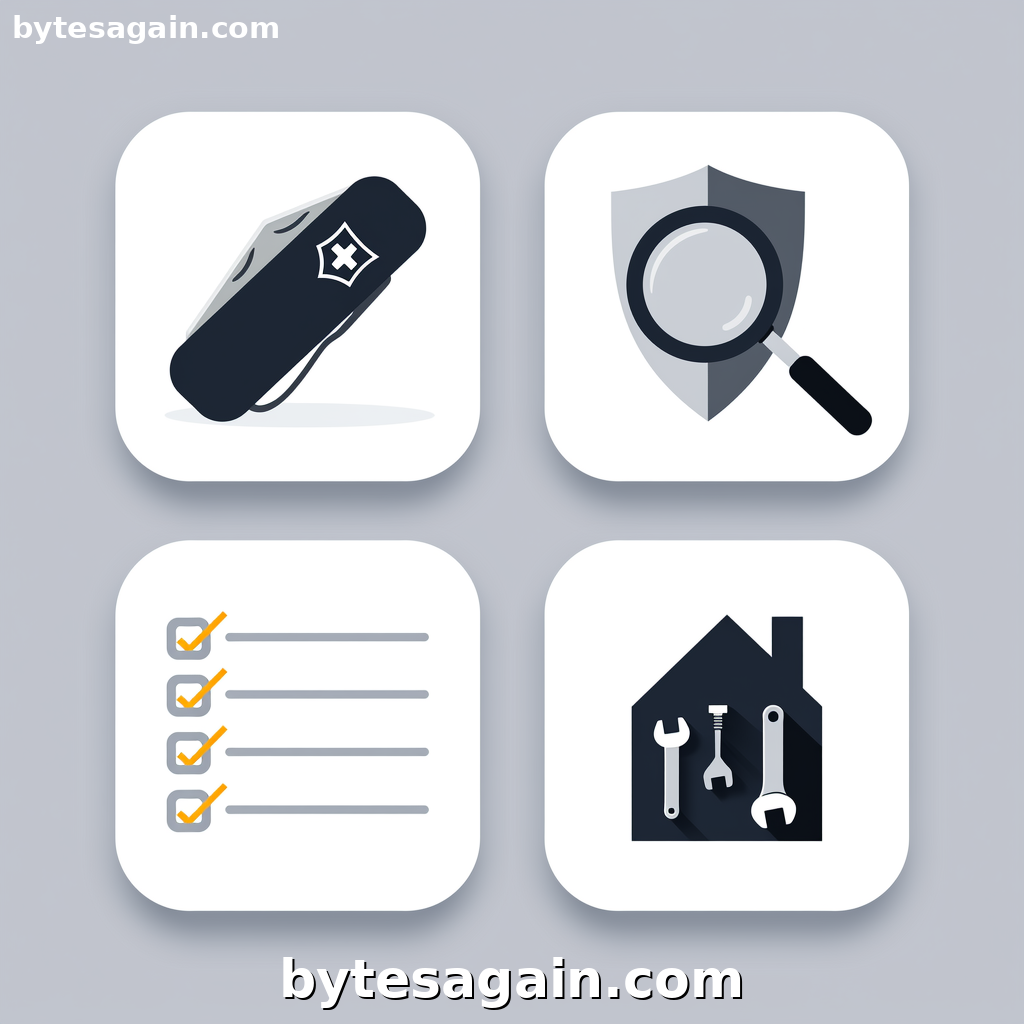
Compliance is your broad-spectrum auditor. It tracks compliance requirements across frameworks, generates audit trail reports, and works best when you need to check controls or validate policy adherence. Think of it as the Swiss Army knife of regulatory oversight—useful for SOX, HIPAA, or internal controls, not just GDPR.
Gdpr is laser-focused on the General Data Protection Regulation. It audits GDPR compliance, generates privacy policies, and documents data processing flows. This skill understands the specific language of Article 5 (lawfulness, fairness, transparency) and can draft a Data Protection Impact Assessment (DPIA) from scratch.
Gdpr Checker brings a bilingual, checklist-driven approach. Its description emphasizes compliance audits, user consent verification, data rights handling, breach response, and Data Processing Agreements (DPAs). It’s built for practitioners who want a step-by-step verification rather than open-ended policy generation.
Homeassistant Toolkit is the outlier. It’s a reference tool for broader life and home automation patterns, not a dedicated compliance skill. Including it in a GDPR agent would be like using a recipe book to file taxes—possible only if you repurpose its lookup capabilities for storing compliance documentation.
Side-by-Side Comparison
Scope and Specialization
- Compliance handles multiple regulatory frameworks. It’s the right choice if your agent must juggle GDPR alongside PCI-DSS or ISO 27001.
- Gdpr is strictly GDPR. It speaks the regulation’s language natively and can draft policies that match European data protection authority expectations.
- Gdpr Checker is also GDPR-only but emphasizes verification over creation. It’s less about writing a privacy notice and more about confirming existing practices meet Article 12-22 requirements.
- Homeassistant Toolkit has zero GDPR logic. Its value lies in providing a structured knowledge base—you could feed it your internal policies, but it won’t audit them intelligently.
Output Quality
- Compliance produces audit trails and control checklists. Output is procedural and evidence-focused.
- Gdpr generates full policy documents (privacy notices, consent forms, DPIAs). It’s best for drafting.
- Gdpr Checker outputs checklists and gap analyses. It tells you what’s missing rather than writing the fix.
- Homeassistant Toolkit returns reference text. No compliance-specific formatting or regulatory awareness.
Use Case Fit
- Compliance fits when you need a general audit or want to map GDPR controls to an existing governance framework.
- Gdpr fits when you’re building a privacy program from scratch or need to respond to a regulatory inquiry with formal documentation.
- Gdpr Checker fits when you’re running a rapid compliance scan—for example, before a data protection authority inspection.
- Homeassistant Toolkit fits only if you’re storing compliance documents in a home automation context (unlikely for most enterprises).
Real Scenario: A Mid-Sized E-Commerce Company
Imagine a company that processes EU customer data and receives a data subject access request (DSAR). Their legal team wants to respond within the 30-day window.
If they use Gdpr, the agent drafts a formal response letter, identifies all data processing activities from their documented data flow map, and generates a redacted report for the requester. The legal team reviews and sends it.
If they use Compliance, the agent first checks whether the company has a DSAR procedure in its control framework. It finds the procedure outdated and generates an audit trail documenting the gap. The team must then manually update the process.
If they use Gdpr Checker, the agent runs a checklist: “Do you have a DSAR response template? Yes. Do you have a 30-day tracking system? No.” The team gets a clear list of actions but no drafted documents.
If they use Homeassistant Toolkit, the agent retrieves the stored DSAR procedure from a knowledge base—but only if someone manually uploaded it. No intelligence, no audit, no generation.
In this scenario, Gdpr is the fastest path to a completed DSAR. Compliance helps if the company also needs to fix its underlying controls. Gdpr Checker is a good preparatory step before engaging legal counsel.
Which Skill for Which User Type?
For compliance officers managing multiple regulations: Start with Compliance. It gives you a unified view across frameworks and lets you map GDPR requirements into your broader audit program.
For privacy lawyers or data protection officers: Choose Gdpr. It understands the regulation’s nuances and produces professional-grade documentation that reduces drafting time.
For internal auditors running quick checks: Use Gdpr Checker. Its checklist format is perfect for pre-audit sweeps or vendor due diligence.
For home automation enthusiasts who also care about privacy: Homeassistant Toolkit can store your local data processing records, but it’s not a compliance tool. Consider it only if you’re running a small, non-commercial operation.
Actionable advice: No single skill covers every GDPR need. Build your agent by combining Gdpr for document generation with Gdpr Checker for verification. Use Compliance as a fallback when your agent needs to handle non-GDPR regulations.
Final Verdict
The GDPR Compliance Assistant use case is powerful because it can be tailored to different compliance maturity levels. If you’re starting from zero, Gdpr gets you a privacy policy and consent flows fast. If you’re maintaining an existing program, Compliance keeps your audit trails clean. If you’re running spot checks, Gdpr Checker catches gaps before they become violations.
Homeassistant Toolkit doesn’t belong in a professional GDPR workflow, but it’s a reminder that BytesAgain hosts skills for diverse contexts—some just aren’t meant for regulatory work.
Choose your skill based on what your agent needs to do: draft, audit, or verify. And remember—compliance is not a one-time install. It’s a continuous process. The right skill makes that process faster, not riskier.
Find more AI agent skills at BytesAgain.