

Which AI Skill Makes Your Standup Report Actually Useful? Dailylog, Homeassistant Toolkit, or System Data Intelligence
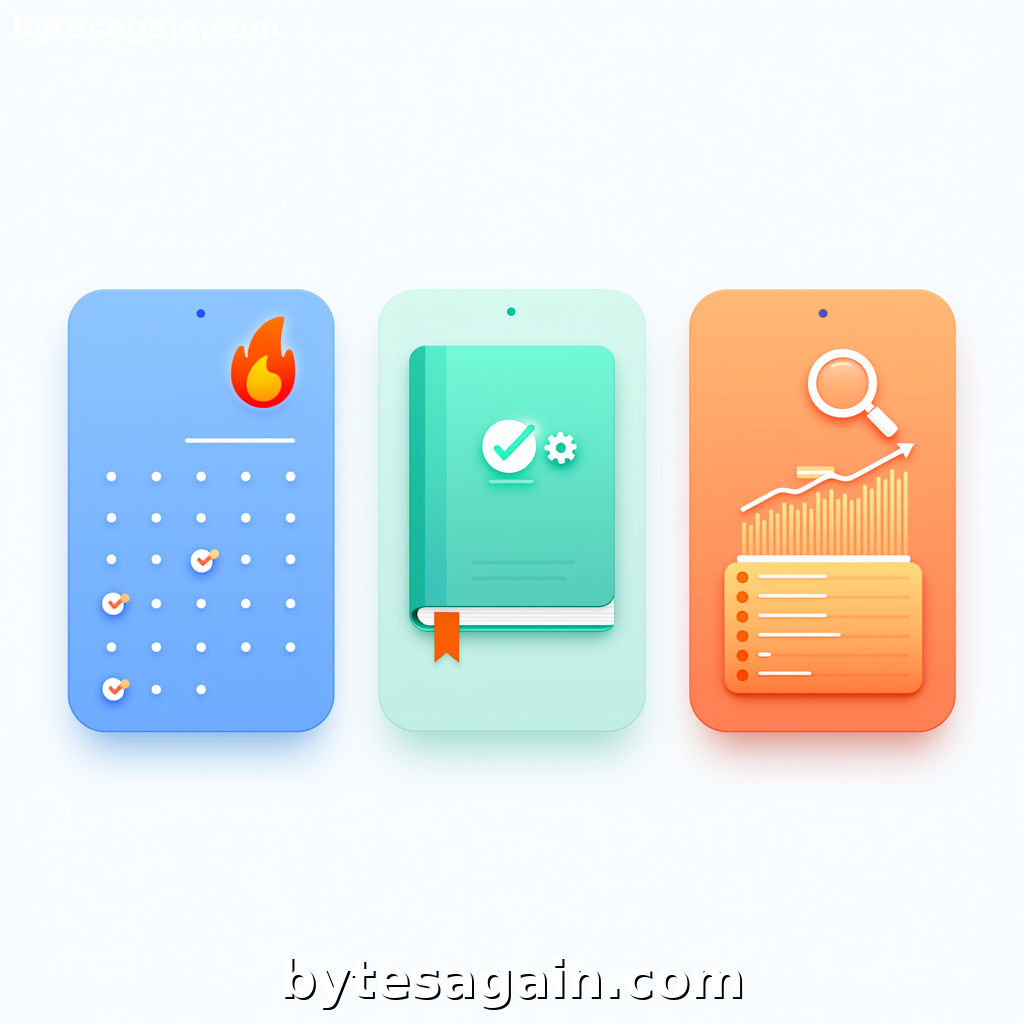
Running a daily standup shouldn’t feel like pulling teeth. Yet for many teams, the standup report is either a chaotic Slack thread or a copy-paste job from yesterday’s notes. The Daily Standup Assistant use case on BytesAgain solves this by turning a simple AI agent into your team’s note-taker, streak tracker, and data analyst. But which skill should you pair with this agent to get the best results? You have three strong options: Dailylog, Homeassistant Toolkit, and a specialized system-data-intelligence skill. Each one automates a different part of the standup workflow. Let’s break them down.
The Three Skills at a Glance
Dailylog
This skill is built for personal and team reflection. Its core function is to record daily wins, challenges, and learnings while tracking streaks. If your standup reports are about building habits and sharing progress over time, Dailylog gives you a structured way to log entries without extra formatting. It remembers what you wrote yesterday, so the agent can ask: “Did you finish the task you mentioned on Tuesday?” The streak tracking adds a light accountability layer—great for teams that value consistency over raw data.
Homeassistant Toolkit
Despite its name, this is a broad reference tool for life and work patterns. It covers intro concepts, quickstart guides, and implementation patterns. In a standup context, Homeassistant Toolkit acts as a knowledge base. If your team struggles to remember best practices, project guidelines, or recurring processes, the agent can pull from this skill to answer questions like “What’s our deployment checklist again?” or “Remind me of the testing protocol.” It’s less about logging and more about providing context on demand.
System Data Intelligence Skill
This skill is designed for direct system application control and deep data analysis. It triggers when users mention reading, writing, or manipulating files (Excel, Word, TXT, Markdown) or when they want to extract, analyze, or predict trends from any application. For standups, this is the heavy lifter. If your team stores tasks in a spreadsheet, tracks metrics in a local file, or needs the agent to pull numbers from a report, this skill handles the file operations and data crunching. It’s the difference between “I think we shipped 5 features” and “The agent just confirmed we shipped exactly 5 features from the changelog.”
Side-by-Side Comparison
What each skill excels at:
Dailylog is best for narrative and habit-based standups. It captures the human side: what went well, what blocked you, what you learned. The streak tracking encourages daily participation. Use it when your standup is more about team morale and continuous improvement than hard metrics.
Homeassistant Toolkit is best for reference and guidance. It turns your agent into a living handbook. If your standup often includes questions like “How do we handle this edge case?” or “What’s the correct process for X?”, this skill provides instant answers from stored patterns and best practices.
System Data Intelligence is best for data-driven standups. It reads and writes files, extracts data from applications, and performs trend analysis. If your team relies on spreadsheets, documents, or local databases for tracking tasks, this skill lets the agent manipulate those files directly—no manual copying required.
When to use each:
- Use Dailylog if your standup format is “yesterday, today, blockers” and you want the agent to remember and connect past entries. It’s ideal for remote teams who want to keep a shared diary of progress.
- Use Homeassistant Toolkit if your team frequently asks procedural questions during standups or if you want the agent to reinforce company standards without digging through wikis.
- Use System Data Intelligence if your standup involves numbers, file updates, or cross-referencing data from multiple sources. It’s essential for teams that track velocity, bug counts, or delivery metrics in external files.
Best fit summary:
- Individual contributors: Dailylog for personal logging.
- Team leads or Scrum Masters: Homeassistant Toolkit for process reminders.
- Data-heavy teams or engineering leads: System Data Intelligence for file-based reporting.
Real Example: A Team’s Standup Struggle
Imagine a 5-person engineering team using the Daily Standup Assistant. They have a shared Excel file where they log hours per task, a Markdown document for weekly goals, and a habit of sharing one “win” each day.
- Without any skill, the agent can only ask generic questions. It won’t remember yesterday’s blockers or access the Excel file.
- With Dailylog, the agent records each person’s win and blocker, tracks streaks like “3 days in a row of shipping code,” and can ask follow-ups like “You mentioned a CSS issue yesterday—did you solve it?”
- With Homeassistant Toolkit, the agent can answer “What’s the definition of done for this sprint?” by pulling from stored patterns. But it can’t touch the Excel file.
- With System Data Intelligence, the agent reads the Excel hours file, spots that one developer logged 10 hours on a 2-hour task, and flags it in the standup. It can also update the weekly goals Markdown doc based on what was completed.
The ideal setup? Combine Dailylog for narrative tracking and System Data Intelligence for file operations. The agent handles the human side and the data side in one standup.
Actionable advice: Pair a narrative skill like Dailylog with a data skill like System Data Intelligence for a complete standup assistant. One captures the story, the other verifies the facts. Don’t rely on a single skill for both.
Recommendation: Which Skill for Which User Type
For the solo developer or small team that just wants to build a standup habit: choose Dailylog. It’s lightweight, requires no file setup, and keeps the focus on personal growth and daily consistency. You get streak tracking and structured logs without overcomplicating the workflow.
For the process-oriented team that follows strict guidelines or frequently references documentation: choose Homeassistant Toolkit. It turns your standup into a mini training session. The agent can remind everyone of the correct procedure before they start their update, reducing errors and confusion.
For the metrics-driven team that lives in spreadsheets, reports, and local files: choose System Data Intelligence. This skill is built for direct system interaction. It reads your task tracker, writes updates to your status doc, and even performs trend analysis on your velocity over time. It’s the only skill that can truly automate the data side of standups.
For the mature team that wants it all: combine Dailylog and System Data Intelligence. Use Dailylog for the human updates and streak motivation, and use System Data Intelligence to pull hard numbers from your files. The agent becomes both a coach and an analyst.
Start Building Your Standup Assistant Today
The Daily Standup Assistant use case on BytesAgain is designed to adapt to your team’s workflow. Whether you need habit tracking, process reference, or file-based automation, there’s a skill that fits. Start by identifying your team’s biggest standup pain point—is it remembering to update, finding the right process, or dealing with messy data? Then pick the skill that solves it first.
Explore the Daily Standup Assistant use case to see how these skills work in action. You can also browse individual skills like Dailylog, Homeassistant Toolkit, and System Data Intelligence to read their full documentation.
Find more AI agent skills at BytesAgain.
Published by BytesAgain · May 2026