

Fitness AI Skills Showdown: Which Agent Gets You in Shape?
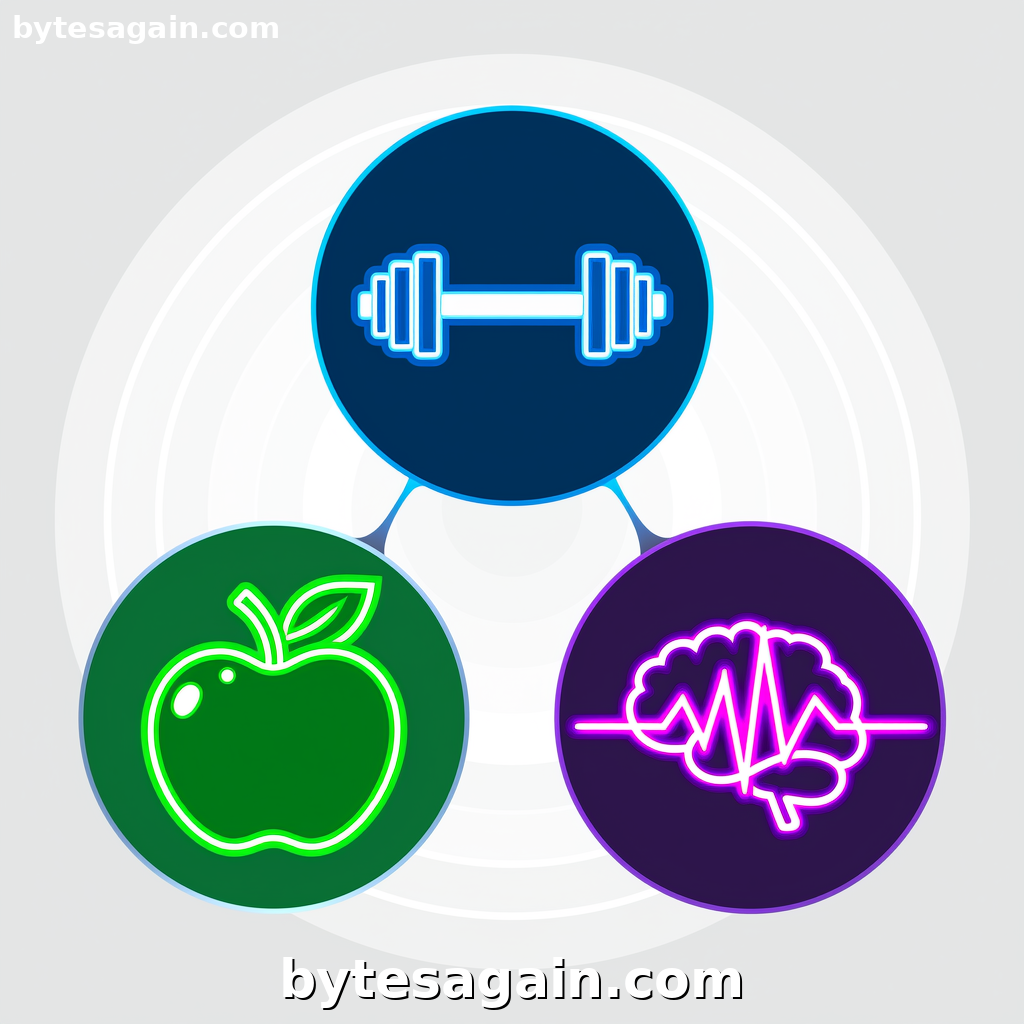
You know the feeling: you want to get fit, but there are a dozen things to track—workouts, calories, sleep, stress. It's overwhelming. That's where an AI agent can help. By offloading the planning and tracking to a specialized skill, you can focus on the doing instead of the spreadsheets. The Explore the Fitness use case on BytesAgain brings together three powerful AI tools to automate the hard parts of building a healthy lifestyle. But which one do you need? Let's break down the three core skills: Fitness Plan, Mealplan, and Mental Health.
The Three Pillars of Wellness
Each skill targets a different part of the health triangle—body, fuel, and mind.
Fitness Plan is your virtual gym coach. This skill tracks workouts, calculates BMI and one-rep max (1RM), and provides exercise science guides. It's built for anyone who steps into a gym or exercises at home and wants structured, data-driven progress. Its strength is precision: it turns vague goals like "get stronger" into measurable plans with science-backed references.
Mealplan handles the kitchen. It plans weekly meals with calorie tracking and generates shopping lists. If you've ever stood in a grocery aisle wondering what to buy, this skill eliminates the guesswork. It's ideal for meal preppers, calorie counters, and anyone tired of deciding "what's for dinner" every night.
Mental Health takes care of the inner game. It offers mood checks, breathing exercises, journaling prompts, stress management tools, and gratitude practices. This skill recognizes that fitness isn't just physical—your mental state directly impacts motivation, recovery, and consistency.
Side-by-Side: When to Use Each
All three skills are complementary, but they shine in different scenarios.
Feature focus
- Fitness Plan excels at numbers: reps, sets, weights, and body metrics. It's analytical and goal-oriented.
- Mealplan is about logistics: portion sizes, calorie budgets, and grocery efficiency. It's practical and time-saving.
- Mental Health is about awareness: emotional patterns, relaxation techniques, and resilience. It's reflective and restorative.
Best use cases
- Use Fitness Plan when you have a specific training goal—like increasing your squat by 20 pounds or running a faster 5K. It turns your ambition into a weekly schedule.
- Use Mealplan when you want to control your diet without obsessing over every bite. It's perfect for Sunday meal prep sessions.
- Use Mental Health when you feel overwhelmed, stuck, or disconnected from your routine. It's a reset button for your motivation.
User fit
- The data-driven athlete will love Fitness Plan for its 1RM calculator and exercise science references.
- The busy professional or parent will get the most from Mealplan, which cuts decision fatigue around food.
- Anyone prone to burnout or anxiety will benefit from Mental Health's breathing exercises and mood tracking.
Actionable advice: Start with the skill that addresses your biggest bottleneck. If you skip workouts because you don't have a plan, pick Fitness Plan. If you eat poorly because you lack a grocery list, pick Mealplan. If you lose motivation due to stress, pick Mental Health. You can always add more later.
Real Scenario: Sarah's Transformation
Sarah is a 34-year-old marketing manager who wants to lose 15 pounds and feel more energetic. She works long hours, eats takeout too often, and feels anxious about her progress.
Week one: Sarah installs the Mealplan skill. She spends 20 minutes setting her calorie target and dietary preferences. The skill generates a weekly menu with a shopping list. On Sunday, she buys everything she needs. For the first time in months, she eats home-cooked lunches all week without stress.
Week two: Feeling more in control of her diet, Sarah adds the Fitness Plan skill. She enters her current weight and estimates her 1RM for bench press and squat. The skill creates a 4-week progressive overload plan. She follows it three times a week. The BMI tracking shows her body fat percentage dropping.
Week three: Sarah hits a rough patch at work. She feels like skipping the gym and ordering pizza. She opens the Mental Health skill and runs a 5-minute breathing exercise. Then she writes a quick gratitude entry. The mood check reveals she's been scoring low on energy for three days. She decides to take a rest day instead of pushing through—a decision that prevents burnout.
Outcome: After eight weeks, Sarah has lost 12 pounds, increased her squat by 15%, and reports feeling less anxious. She used all three skills, but not all at once. She layered them as her needs evolved.
Which Skill for Which User?
Not everyone needs all three. Here's a quick guide:
Choose Fitness Plan if you are...
- A gym regular who wants to track progressive overload
- A beginner who needs structured workout templates
- Someone who likes science-backed training references
Choose Mealplan if you are...
- A meal prepper who hates deciding what to cook
- Tracking calories and want automated portion control
- A family cook who needs efficient shopping lists
Choose Mental Health if you are...
- Prone to stress that derails your fitness routine
- Wanting to build mindfulness alongside physical health
- Looking for a non-judgmental journaling companion
Choose a combination if you are...
- A serious athlete: Fitness Plan + Mealplan for training and nutrition
- A wellness seeker: Mental Health + Fitness Plan for mind-body balance
- A total lifestyle optimizer: All three, used on a rotating schedule
The Verdict
No single skill covers everything. Fitness Plan handles the gym, Mealplan handles the kitchen, and Mental Health handles the headspace. Together, they form a complete wellness ecosystem. The smartest approach is to identify your weakest link—is it planning, eating, or coping?—and start there.
Ready to build your health routine with AI? Find more AI agent skills at BytesAgain.
Published by BytesAgain · May 2026