

Which AI Wellness Skill Should You Use? A Practical Comparison of Fitness, Meal, Sleep, and Mental Health Agents
Published by BytesAgain · May 2026
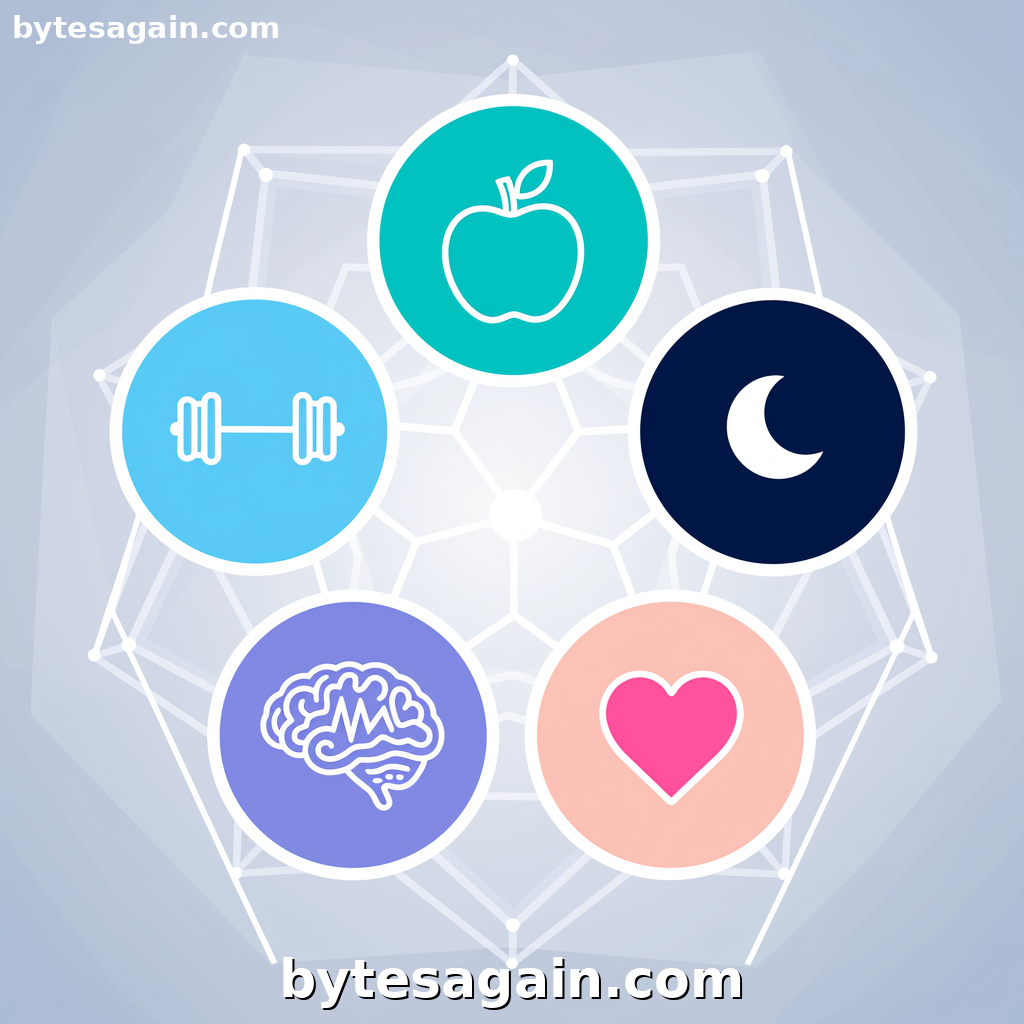
Taking charge of your health used to mean juggling multiple apps, notebooks, and spreadsheets. Now, a single AI agent can help you plan workouts, track meals, monitor your mood, analyze your sleep, and decode nutrition labels. The Wellness use case brings together five specialized skills that let you automate the repetitive parts of health management. Whether you want an agent to build your gym routine, calculate your macros, or guide you through a breathing exercise, the right skill makes it possible. But with five options on the table, which one do you install first? This article compares each AI skill side-by-side so you can build a wellness system that actually works for you.
The Five Skills at a Glance
Fitness Plan
This skill is built for anyone who steps into a gym or exercises at home. It tracks workouts, calculates your Body Mass Index (BMI) and one-rep max (1RM), and provides access to exercise science guides. If you need a structured training plan or want to understand which muscles a specific movement targets, this is your go-to. Its bilingual capability (English and Chinese) makes it particularly useful for international users.
Mealplan
Mealplan focuses on the logistics of eating well. It helps you organize weekly meals with calorie tracking and generates shopping lists automatically. If you hate the mental overhead of deciding what to eat every day, this skill removes the friction. It is best used as a meal prep assistant rather than a deep nutritional database.
Mental Health
This skill acts as a pocket therapist. It offers mood check-ins, guided breathing exercises, a journaling module, stress management techniques, and gratitude prompts. It is not a replacement for professional care, but it is excellent for daily emotional maintenance and building mindfulness habits.
Nutrition Label
Think of this as a quick-reference encyclopedia for food labels. It covers introductory concepts, quickstart guides, common patterns, and best practices for reading nutrition facts. Use it when you are at the grocery store or cooking and need to understand what "daily value" or "net carbs" actually means.
Sleep Tracker
This skill tackles sleep hygiene from multiple angles. It provides sleep analysis, actionable improvement tips, schedule planning, environment optimization advice, a nap guide, and a sleep diary. If you struggle with falling asleep, staying asleep, or feeling rested, this skill gives you a structured approach to fixing it.
Side-by-Side Comparison
What Each Skill Does Best
Fitness Plan excels at structure and data. It turns vague goals like "get stronger" into measurable targets (sets, reps, weights). It is the most technical skill in the group, suitable for intermediate and advanced exercisers who track progressive overload.
Mealplan is about convenience. It reduces decision fatigue by creating a weekly framework for eating. It handles the "what's for dinner?" problem but does not dive deep into micronutrients or dietary restrictions beyond calorie counting.
Mental Health focuses on emotional regulation. It is the only skill that addresses the psychological side of wellness. Its breathing exercises and journaling prompts are immediate tools you can use during stressful moments.
Nutrition Label is purely educational. It does not track anything — it teaches. Use it to become a smarter shopper and eater. It pairs well with Mealplan if you want to understand why certain foods appear on your shopping list.
Sleep Tracker is diagnostic and prescriptive. It identifies patterns in your sleep (or lack thereof) and suggests concrete changes to your routine and environment. It is the most holistic of the five, covering everything from napping to room temperature.
When to Use Each
- Use Fitness Plan when you are starting a new workout program, need to calculate your 1RM for a lift, or want to reference proper exercise form.
- Use Mealplan on Sunday evening to prep your week. It is ideal for batch cooking and grocery runs.
- Use Mental Health when you feel anxious, need a quick grounding exercise, or want to establish a daily gratitude practice.
- Use Nutrition Label when you are confused by a food package or want to compare two products at the store.
- Use Sleep Tracker when you are consistently tired, have irregular sleep hours, or want to optimize your bedroom for better rest.
Real-World Scenario: Meet Sarah
Sarah is a 34-year-old marketing manager who wants to lose 10 pounds, reduce stress, and sleep better. She works long hours and often skips meals or eats whatever is convenient.
Without AI skills: Sarah would join a gym, download a calorie counter, try a meditation app, and read sleep articles — four separate tools with no coordination.
With BytesAgain skills: Sarah installs three skills.
She uses Fitness Plan to create a three-day-per-week strength routine. The skill calculates her BMI and suggests starting weights based on her current fitness level. She tracks each session and watches her 1RM improve over six weeks.
She pairs it with Mealplan to organize her dinners. Every Sunday, the skill generates a meal plan with calorie targets and a shopping list. She no longer orders takeout because she has ingredients ready.
For stress, she uses Mental Health during her lunch break. A five-minute breathing exercise resets her focus. The mood check-in helps her notice that her stress spikes on Monday mornings — so she adjusts her schedule.
Sarah does not install Sleep Tracker or Nutrition Label because her primary needs are covered. If she later struggles with sleep or wants to decode food labels, she can add them.
Actionable advice: Install no more than three wellness skills at once. Start with the area that causes you the most pain — whether that is fitness, food, mood, or sleep — and build from there. Adding too many skills at once creates the same overwhelm you are trying to escape.
Which Skill Is Best for Which User
Beginner Wellness Seeker
Start with Mental Health and Mealplan. These two address the most common pain points: emotional eating and lack of routine. They are low-friction and give quick wins.
Gym Enthusiast
Fitness Plan is non-negotiable. Add Nutrition Label if you want to optimize your macros. Skip the others unless you have specific sleep or stress issues.
Busy Professional
Mealplan saves the most time. Pair it with Sleep Tracker if your erratic schedule is hurting your rest. Use Mental Health as a stress valve during high-pressure periods.
Health Optimizer
Install all five, but use them in phases. Start with Sleep Tracker to fix your foundation. Add Mealplan and Fitness Plan for daytime habits. Use Mental Health and Nutrition Label as finishing tools.
Final Recommendation
No single skill covers every aspect of wellness. The smartest approach is to identify your weakest link — sleep, nutrition, exercise, or mental health — and install the corresponding skill first. Once that habit is solid, add the next.
Explore the Wellness use case to see all five skills and decide which ones fit your life. Each skill works independently, but they are designed to complement each other. A fitness plan works better when your meals are planned. A sleep tracker works better when your stress is managed.
Find more AI agent skills at BytesAgain.